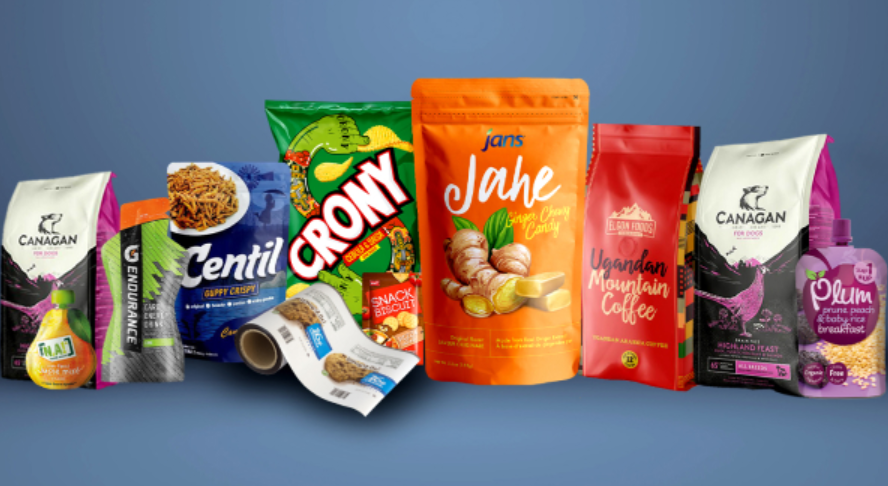

The packaging landscape is evolving rapidly as consumer expectations, sustainability concerns, and product demands continue to shift. Today’s brands are looking for packaging solutions that are not only functional but also efficient, visually appealing, and adaptable. As a result, flexible packaging has emerged as a preferred choice across a wide range of industries, especially in the food sector. From snacks to specialty beverages, modern brands are increasingly turning to innovative formats like food packaging bags to meet both operational and consumer needs.
Flexible packaging offers a unique combination of convenience and performance. Unlike rigid containers, it can be easily customized, stored efficiently, and designed to enhance shelf appeal. For brands aiming to stand out in competitive markets, this level of versatility provides a significant advantage.
The Shift Toward Lightweight, Durable Packaging Formats
One of the primary reasons flexible packaging is gaining traction is its lightweight design. Compared to traditional packaging materials such as glass or rigid plastic, flexible formats require less material and reduce overall shipping weight. This not only lowers transportation costs but also contributes to a more sustainable supply chain.
Durability is another key factor driving this shift. Modern flexible packaging is engineered with multiple layers that provide strength and protection without adding bulk. These materials are designed to withstand handling, storage, and transportation while maintaining product integrity. This is particularly important for food products that require consistent quality from production to consumption.
Industries like coffee have especially benefited from this innovation. Products packaged in coffee packaging bags retain freshness while being easier to store and transport. Features such as resealable closures and degassing valves further enhance usability, ensuring that products remain fresh even after opening.
Additionally, lightweight packaging supports sustainability goals by reducing material waste and energy consumption during production and distribution. As consumers become more environmentally conscious, brands that adopt efficient packaging solutions are better positioned to align with these expectations.
How Custom Pouches Improve Freshness and Product Protection
Beyond weight and durability, flexible packaging excels in preserving product freshness. Custom pouches are designed to create effective barriers against moisture, oxygen, and light—factors that can compromise food quality. By maintaining a controlled environment, these pouches help extend shelf life and reduce the risk of spoilage.
Customization plays a major role in this process. Brands can tailor packaging to meet the specific needs of their products, whether that involves selecting the right material layers or incorporating features like zip closures and tear notches. This level of control ensures that each product is packaged in a way that maximizes its quality and usability.
See Also: Turning Store Traffic into Revenue with Footfall Counters and Retail Analytics Software
Innovative formats such as stick pack packaging are also gaining popularity for their convenience and portion control. These slim, single-use packages are ideal for on-the-go consumption, making them a great option for products like powders, supplements, and beverages. Their compact design not only enhances portability but also reduces waste by offering precise serving sizes.
In addition to functionality, flexible packaging provides opportunities for strong branding. High-quality printing and customizable designs allow brands to create packaging that captures attention and communicates value at a glance. This is especially important in retail environments where packaging often serves as the first point of interaction with consumers.
Ultimately, flexible food packaging represents a shift toward smarter, more efficient solutions that benefit both brands and consumers. By combining lightweight materials, durable construction, and advanced preservation features, it delivers a modern approach to packaging that aligns with the needs of today’s market. As more brands recognize these advantages, flexible packaging is set to remain a key driver of innovation in the food industry.