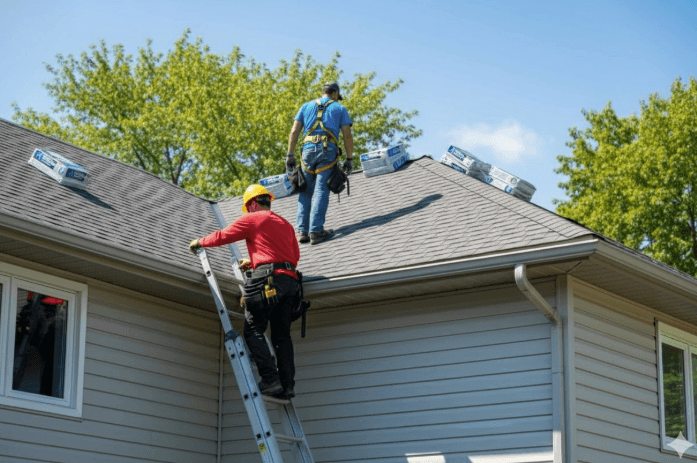
Why Early-Season Inspections Help Catch Damage Before Summer Heat Sets In

It is easy to assume a roof is in good shape when it has made it through winter without any obvious leaks or missing sections. From the ground, everything can look stable and intact. But early in the season is often when hidden trouble starts to show itself. Small cracks, loosened flashing, worn sealant, and areas that retain moisture longer than they should can all begin to stand out once conditions warm up and the roof starts to expand under stronger sun. That is why an early inspection matters. It gives homeowners a chance to spot issues while they are still manageable, before summer pushes the roof harder every day.
For many property owners, this is also the best time to proactively plan for maintenance rather than waiting for visible damage to appear indoors. A spring inspection can reveal weak points that may later lead to leaks, ventilation problems, or surface deterioration once hotter weather arrives. In many cases, the need for roof repair mountain green becomes much easier and less expensive to address when it is identified early, rather than after weeks of heat and sun exposure have made the problem worse.
Winter Wear Shows Up Late
One of the biggest reasons early inspections matter is that winter roof damage does not always show up right away. Roofing materials endure a lot during colder months, including freezing and thawing, moisture exposure, and constant temperature fluctuations. Even if the roof looks fine at first, that kind of stress can leave behind smaller, weak spots that are easy to miss.
Sealant may start to pull away around roof openings, flashing can loosen a little at the edges or transitions, and shingles or other materials can shift just enough to create vulnerable areas. Those issues are not always easy to spot in the middle of winter, especially without a close inspection. But once the season starts to change, those early signs of wear often become easier to notice. Catching them at that point gives homeowners a chance to deal with them before warmer weather puts even more pressure on the roof.
Heat Makes Small Problems Worse
Summer does not cause every roof problem, but it can make existing ones worse in a hurry. Constant sun and rising temperatures put roofing materials under more stress, causing them to expand throughout the day. If there is already a crack, a lifted seam, a weak repair, or a damaged area, that movement can make the issue spread faster.
A problem that seems minor in mild weather can turn into something much bigger once the roof is exposed to daily heat. Moisture that got in earlier can continue to cause damage behind the scenes, affecting the underlayment, decking, or insulation over time. By the peak of summer, what could have been a simple fix may end up taking more work, more materials, and more money to repair.
That is what makes early inspection so practical. It gives professionals a better opportunity to detect damage before the roof reaches the point where summer conditions accelerate it.
See also: How a Reliable Double Bay Removalist Handles Luxury and Apartment Moves with Care
Hidden Moisture Matters
Not every roofing problem starts with a big, obvious leak. A lot of the time, water gets in little by little and goes unnoticed at first. It can gather near flashing, around roof openings, or under older materials where moisture has found a way in. Even if nothing looks serious on the outside, that hidden moisture can slowly start to affect the layers underneath.
That is why an early-season inspection can be so helpful. It gives you a chance to spot those problem areas before warmer weather makes them worse. As the temperature rises, trapped moisture can cause soft spots, stains, material wear, and even comfort issues inside if the insulation has been compromised. When caught early, the fix is often much simpler. When ignored, a small moisture issue can turn into a much bigger repair.
Repairs Are Often Easier Before Peak Season
Another benefit of scheduling an inspection early is that repairs tend to be simpler when conditions are more moderate. Roofing work can become more difficult during extreme summer heat, both due to the materials and the working conditions. Some roofing components respond differently at high temperatures, making it harder to complete certain types of work as efficiently as before when the roof surface becomes much hotter throughout the day.
Taking care of issues earlier in the season often allows for better planning and less urgency. Instead of reacting to a failure during the hottest weeks of the year, homeowners can address concerns on a more controlled timeline. That usually leads to better decision-making and helps avoid the stress of emergency repairs.
Inspections Help Protect Roof Life
A roof usually lasts longer when small issues get fixed before they have time to spread. That may sound obvious, but it is one of the biggest reasons seasonal inspections are worth doing. Most roofs do not suddenly fail all at once. More often, wear builds gradually through smaller problems that chip away at the system.
Something like a lifted edge, a cracked seal, or a weak transition point might not seem urgent at first. But once those spots keep taking on heat, sun, and summer storms, they can turn into much bigger trouble. A good inspection helps catch early wear before it affects larger areas of the roof.
This is also where homeowners begin to see the value of acting early on roof repair mountain green concerns instead of waiting until visible interior damage appears. By that point, the repair often involves more than the outer roofing surface.
Peace of Mind Going Into Summer
There is also a practical comfort in knowing that the roof has been checked before the season fully changes. Summer often brings stronger sun, occasional storms, and longer periods of daily heat exposure. Homeowners who schedule an inspection early go into that season with a better sense of where things stand.
If the roof is in good condition, that reassurance is valuable. If there are repairs to make, it is far better to learn about them before the hottest stretch of weather arrives. Either way, the inspection provides useful clarity. It replaces guesswork with a more accurate picture of the roof’s current condition.
Conclusion
An early roof inspection is not only about finding big, obvious damage. It is also a smart way to catch the smaller problems that can worsen quickly once the weather heats up. Things like leftover winter wear, trapped moisture, loose sealant, or minor surface damage are often easier to deal with now than later. Taking a look early gives homeowners a chance to fix issues while they are still manageable and helps avoid bigger repairs once summer puts more stress on the roof.