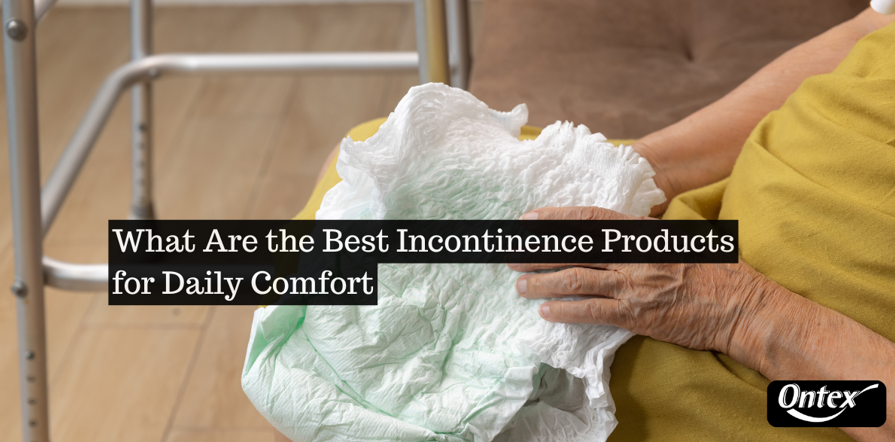

The best incontinence products for daily comfort combine breathable materials, proper absorbency, and discreet designs that let you move freely without worrying about leaks or bulk.
When you’re researching the things you search for about managing incontinence, it’s easy to feel overwhelmed by endless options that all promise the same results. How do you know which products actually deliver on comfort without sacrificing protection?
But that confusion ends here. At www.ontexhealthcare.com.au, we’ve spent years helping Australians find options that genuinely work for urinary incontinence without the constant worry. And we’ll share our insights with you.
In this article, we’ll cover what makes products truly comfortable, how to choose between pads and pull-up pants, and understanding absorbency levels. You’ll also learn about getting the right fit and accessing free samples to test before you buy.
Let’s get into it.
What Makes Incontinence Products Comfortable for Daily Use?
As we already mentioned, three things separate comfortable incontinence products from ones you’ll regret buying: breathable fabrics, right-sized absorbency, and designs that disappear under your clothes.\

So what does this actually mean for you? We’ll break down each factor here.
1. Breathable Materials That Protect Your Skin
The best part about breathable fabrics is that they stop moisture from sitting against your skin all day. Also, easy air circulation keeps you dry and comfortable during long wear.
Even their gentle linings won’t trigger reactions if you’ve got sensitive skin prone to irritation. No more waking up to red, itchy patches.
2. Right Absorbency Without the Bulk
Sometimes you wear a product that holds everything perfectly, but feels like you’re carrying extra weight around your waist. It happens when absorbency is too high for your actual incontinence level.
But if your product has absorbent cores, it locks away urine quickly while staying thin under your clothes. So choosing the right level stops that bulky feeling that restricts how you move. Plus, special materials trap odour by neutralising urine as soon as it touches fabric.
3. Discreet Design for Daily Comfort
Discreet designs mean you can wear what you love without worrying about visible lines. And that’s exactly what you get with today’s incontinence products that fit your body shape naturally without visible lines or bunching.
Their materials, like soft polyester and cotton blends, eliminate embarrassing rustling sounds when you move or sit down. That means nobody knows you’re wearing protection.
Incontinence Pads vs Pull-Up Pants: Finding Your Match
Pads are thin inserts worn inside regular underwear for light leaks, while pull-up pants work like normal underwear with built-in protection. The choice between these two options depends on your incontinence severity and daily situation.
In general, we suggest pads when you’re dealing with occasional drips and want easy changes. But if you need more coverage for moderate to heavy leaks or overnight security, then go for pull-up pants.
Another factor worth considering is cost. In practice, incontinence pads cost less per unit, but pants offer better overnight protection and security for urinary incontinence. Some people even call pull-up pants adult diapers, though they’re far more discreet and comfortable than that name suggests.
Quick Tip: Choose based on your leak frequency and mobility needs.
Once you’ve picked your product style, it’s time to match it with the right absorbency level.
Absorbency Levels for Urinary Incontinence: Light, Moderate, or Heavy?
Light absorbency suits occasional drips, moderate handles regular small leaks, and heavy provides overnight security for frequent accidents. Getting this wrong means either dealing with uncomfortable bulk or unexpected leaks (and the leaks always happen at the worst moments).
Here’s how to match your incontinence needs with the right absorbency:
| Absorbency Level | When to Use | Comfort Benefit |
| Light | Occasional drips during exercise or coughing | Stays thin and discreet under clothes |
| Moderate | Regular small bladder leaks throughout the day | Balanced protection without bulk |
| Heavy | Frequent, larger-volume leaks or overnight use | Full security for uninterrupted sleep |
Our range of absorbent products (including iD, Lille, and Kylie) covers all three levels, so you can find what matches your bladder and urine flow needs. In a nutshell, the right absorbency keeps you dry without adding unnecessary weight.
Getting the Size Right: Why Fit Is Crucial for Incontinence Pads
The wrong size increases leak risk because incontinence products won’t sit properly against your body. Those gaps let urine escape, no matter how absorbent your pads are. But a proper fit eliminates gaps around legs where leaks commonly occur.
You can get this measurement right this way:
- Measure Correctly: Measure your waist or hips following brand sizing charts with a soft measuring tape wrapped snugly but not tightly. Too tight gives a false reading that leads to ordering sizes too small.
- Check the Chart: Rather than assuming your usual clothing size will work, stand naturally and check the details against the size guide to find your actual size.
Keep in Mind: Each brand sizes its incontinence pads differently, so what works in one brand might not fit in another.
See also: Transform Your Yard with Green Landscaping in Myrtle Beach
Reusable vs Disposable: Which Fits Your Lifestyle?
Disposable incontinence products offer convenience for busy schedules with quick changes and no laundry required. Just change and throw away when you’re done.
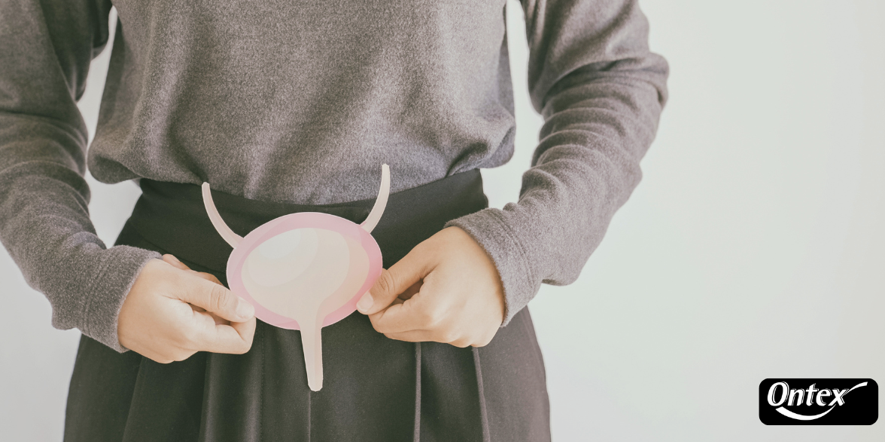
Meanwhile, reusable washable continence products save money over time. One reusable product replaces hundreds of disposables you’d buy month after month. Also, since you’re washing and reusing the same products for months or even years, you reduce environmental waste from landfills.
Quick Tip: Between these two options, choose the right one based on your mobility, washing access in your location, and budget considerations for long-term comfort with incontinence.
Honestly, there’s no single right answer here. And we’ve seen many people mix both options: disposables for work or travel, reusables at home.
Protecting Your Home: Bed Pads and Seat Protection
Now that you’ve found the right body-worn products, let’s protect your furniture and bedding too.
For your bedroom, waterproof bed pads protect mattresses from nighttime accidents without noisy, crinkly plastic sounds. These sit on top of your sheets and catch any bladder leaks before they reach your mattress. Plus, they’re machine washable, so cleanup takes minutes instead of hours of scrubbing stains.
In your living spaces, washable seat protectors let you relax on furniture without constant worry about stains (not the most exciting task, admittedly). The absorbent layer catches urine while the waterproof backing keeps your couch or chair completely dry underneath.
These home products work alongside your body-worn incontinence protection so you can relax properly. After all, managing incontinence shouldn’t mean you avoid your favourite chair or worry every time you sit down.
How Pelvic Floor Health and Bladder Health Affect Your Product Choice
Your pelvic floor strength directly affects which absorbency level you’ll need for daily comfort. Weak pelvic floor muscles often mean you need higher absorbency products for managing incontinence because these muscles can’t properly support your bladder to hold urine.
While you work on strengthening these muscles, exercises like Kegels and squats may reduce bladder leaks over time, but products provide security during the improvement process. One of our customers shared how she needed heavy absorbency initially, but after six months of pelvic floor exercises, she switched to moderate protection for her urinary incontinence.
Helpful Tip: Consult continence nurses when standard products aren’t managing your symptoms effectively anymore. Sometimes drainage bags become necessary if pelvic floor exercises and absorbent products aren’t enough for severe urinary incontinence.
With the right product knowledge sorted, there’s one more step worth taking.
Free Samples: Try Before You Commit
Videos you watch online about product selection can guide you, but nothing beats testing products yourself.
After years of working with people managing incontinence, we’ve learned that sampling various absorbency levels stops you from buying products that leak or feel bulky. Order samples of at least two absorbency levels to compare which feels most comfortable for your daily routine.
You can request free samples through continence nurses or healthcare providers based on your location. At Ontex Healthcare, we offer free samples of our iD, Lille, and Kylie ranges for risk-free trials so you can test comfort, absorbency, and fit before committing to bulk orders.
Start Your Comfort Journey Today
Finding the right incontinence products doesn’t have to feel overwhelming anymore. You now know what makes products comfortable, how to choose between pads and styles, match absorbency to your needs, and get the proper fit.
Ready to find your perfect match? Order free samples from Ontex Healthcare today. Experience the difference that proper incontinence protection makes when you’re wearing products designed with your comfort in mind.