Turning Store Traffic into Revenue with Footfall Counters and Retail Analytics Software

In the modern retail environment, attracting customers to a store is only the first step toward success. The real challenge lies in converting store visitors into paying customers. Many retailers experience high foot traffic but struggle to translate those visits into consistent revenue. This is where technologies such as the footfall counter and retail analytics software play a crucial role.
By using a footfall counter along with powerful retail analytics software, retailers can better understand customer behavior, identify opportunities for improvement, and optimize store operations to increase profitability. These tools help businesses transform simple visitor numbers into valuable insights that drive smarter retail strategies.
As the retail industry becomes increasingly competitive, the ability to turn store traffic into revenue is becoming a key differentiator for successful businesses.
Understanding Footfall Counters and Retail Analytics Software
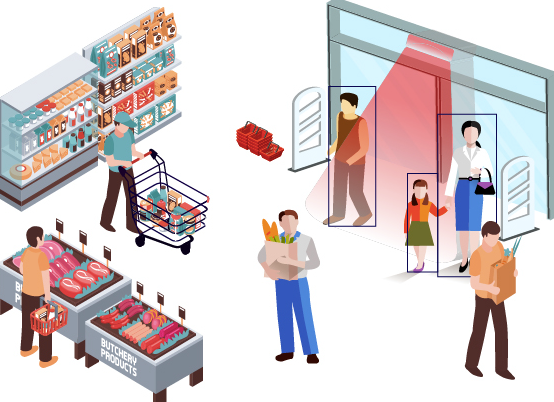
A footfall counter is a technology used to measure the number of people entering and exiting a store. It provides accurate data about visitor traffic, allowing retailers to understand how many potential customers walk through their doors.
However, traffic numbers alone cannot explain customer behavior. This is where retail analytics software becomes essential. The software analyzes data collected by the footfall counter and combines it with other retail metrics such as sales data, dwell time, and conversion rates.
Together, the footfall counter and retail analytics software provide a comprehensive view of store performance. Retailers can track visitor trends, measure customer engagement, and identify factors that influence purchasing decisions.
Measuring Store Traffic Accurately
One of the first steps in converting store visits into revenue is understanding how many people actually enter the store. A footfall counter allows retailers to measure visitor traffic accurately throughout the day.
When integrated with retail analytics software, businesses can analyze traffic patterns in greater detail. Retailers can identify peak hours, busy days, and seasonal trends that influence store visits.
For example, if data from the footfall counter shows that customer traffic increases during weekends or specific promotional periods, retailers can use retail analytics software to prepare for those peaks by adjusting staffing levels and product availability.
Accurate traffic measurement helps retailers align operations with real customer demand.
Improving Conversion Rates
Not every store visitor becomes a buyer. Understanding the relationship between store traffic and sales is critical for increasing revenue.
A footfall counter records the number of visitors entering the store, while retail analytics software compares that data with sales figures to calculate the conversion rate. This metric reveals the percentage of visitors who actually make a purchase.
For instance, if a store receives 400 visitors in a day but only 40 sales occur, the conversion rate may indicate opportunities for improvement. Using insights from retail analytics software, retailers can analyze possible reasons such as product placement, pricing, or customer service issues.
Improving the conversion rate allows retailers to generate more revenue without necessarily increasing store traffic.
Enhancing Store Layout and Product Placement
Store design plays a significant role in influencing customer behavior. A well-organized layout encourages customers to explore different sections of the store and increases the chances of making a purchase.
A footfall counter helps track the number of visitors entering the store, while retail analytics software provides deeper insights into how customers move within the store environment.
Retailers can identify high-traffic areas and position popular or high-margin products in those locations. If retail analytics software reveals that certain areas receive low engagement despite high visitor numbers recorded by the footfall counter, store managers can redesign displays or improve navigation.
These strategic adjustments help maximize product exposure and increase sales opportunities.
Optimizing Staff Scheduling
Customer experience is heavily influenced by the availability and responsiveness of store staff. If employees are overwhelmed during busy hours, customers may experience delays or poor service.
A footfall counter helps retailers monitor real-time traffic levels, while retail analytics software analyzes historical patterns to forecast peak shopping periods.
Retail managers can use these insights to schedule employees more effectively. By aligning staff availability with customer demand, businesses can provide better service while controlling labor costs.
Efficient staff management improves customer satisfaction and increases the likelihood of converting visitors into buyers.
Evaluating Marketing Campaign Effectiveness
Retailers invest heavily in marketing campaigns to attract customers. However, measuring the effectiveness of these campaigns can be challenging without accurate data.
A footfall counter allows retailers to track changes in store traffic after launching promotions, advertisements, or seasonal offers. When combined with retail analytics software, businesses can analyze how marketing efforts influence both store visits and sales performance.
For example, if a marketing campaign results in a noticeable increase in traffic recorded by the footfall counter, retail analytics software can help determine whether those additional visitors generated higher revenue.
This insight enables retailers to refine their marketing strategies and focus on campaigns that deliver the best results.
See also: Technology-Powered Medical Diagnostics
Identifying Customer Behavior Trends
Retail success often depends on understanding long-term customer behavior patterns. A footfall counter continuously collects traffic data, while retail analytics software analyzes trends over time.
Retailers can identify patterns such as:
- Seasonal fluctuations in customer visits
- Changes in peak shopping hours
- Differences in traffic between weekdays and weekends
- Customer responses to promotional events
By analyzing these patterns using retail analytics software, retailers can make informed decisions about inventory management, promotions, and store operations.
Understanding these trends allows businesses to plan more effectively and maximize revenue opportunities.
Supporting Multi-Store Retail Operations
For retail chains and franchises, managing multiple store locations can be complex. A footfall counter installed in each store collects traffic data, while centralized retail analytics software provides a unified dashboard for performance monitoring.
Retail managers can compare store traffic, conversion rates, and sales performance across locations. If one store consistently performs better, retail analytics software can help identify the factors contributing to its success.
These insights enable retailers to replicate successful strategies across all locations and improve overall business performance.
Building Data-Driven Retail Strategies
Modern retail is increasingly driven by data and analytics. Businesses that rely on guesswork or outdated practices may struggle to compete in a rapidly evolving marketplace.
By implementing a footfall counter and retail analytics software, retailers gain access to reliable data that supports smarter decision-making. These tools provide insights that help improve store operations, marketing strategies, and customer engagement.
Turning store traffic into revenue requires a clear understanding of customer behavior, and data-driven technologies make that possible.
Conclusion
Attracting customers to a retail store is only part of the equation for success. The real value lies in understanding how those visitors behave and how businesses can convert their visits into purchases.
Technologies like the footfall counter and retail analytics software provide retailers with the insights needed to transform store traffic into measurable revenue. By tracking visitor numbers, analyzing customer patterns, and measuring conversion rates, these tools help businesses optimize store layouts, improve marketing strategies, and enhance customer experiences.
As retail continues to evolve, investing in footfall counter technology and advanced retail analytics software will remain essential for businesses that want to maximize store performance and achieve long-term growth.
FAQs
1. What is a footfall counter in retail stores?
A footfall counter is a device or technology used to track the number of people entering and exiting a retail store, helping businesses measure customer traffic accurately.
2. How does retail analytics software help increase revenue?
Retail analytics software analyzes data from footfall counters and other systems to identify trends, measure conversion rates, and optimize store operations for better sales performance.
3. Can a footfall counter help improve conversion rates?
Yes. A footfall counter measures visitor traffic, and when combined with retail analytics software, retailers can calculate conversion rates and identify ways to increase the number of customers who make purchases.
4. Why is understanding store traffic important for retailers?
Store traffic data from a footfall counter helps retailers identify peak hours, customer patterns, and opportunities to improve marketing and staffing strategies.
5. Is retail analytics software useful for multi-store businesses?
Yes. Retail analytics software allows retailers to compare performance across multiple store locations and identify strategies that improve overall efficiency and profitability.
6. How accurate are modern footfall counters?
Modern footfall counter systems use advanced technologies such as AI cameras, infrared sensors, and video analytics to deliver highly accurate visitor tracking and detailed traffic analysis.