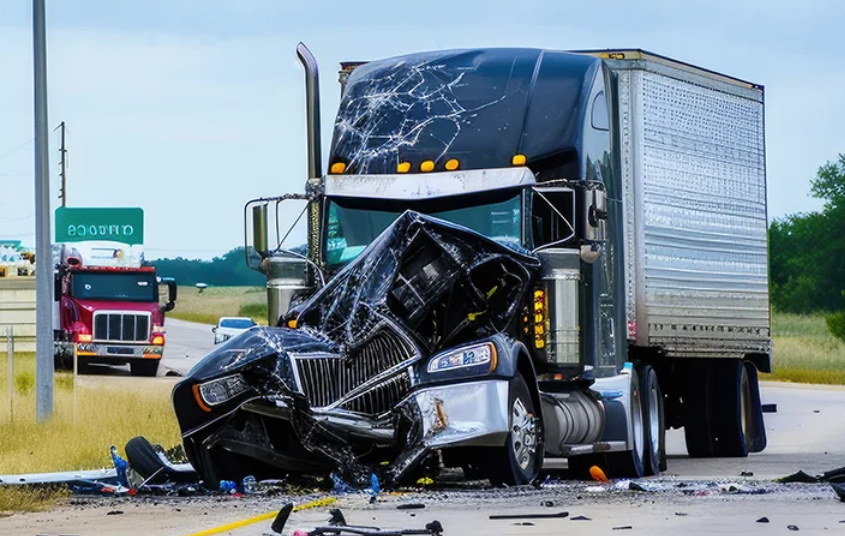
Personal Injury Lawyer in Houston, Texas: Truck Accident Compensation Explained

A truck crash can flip life upside down in seconds. One moment you’re driving I-10. Next moment, metal twists, horns blare, and everything feels loud and slow. Truck accidents hit harder than car wrecks. Bigger vehicles cause bigger damage. In Houston, they also bring tougher legal fights. Let me explain how truck accident compensation works in Texas. No fluff. No legal fog.Just straight talk you can use.
Why Truck Accidents Feel So Much Worse
Houston runs on trucks. Port traffic. Oil routes. Endless freeways. That means heavy rigs share space with small cars every day. When a truck hits a car, physics wins. The truck weighs more. The force travels farther. Injuries often last longer. Bills pile up fast. Work stops. Life pauses. That’s why truck accident claims are not “just bigger car cases.” They follow different rules. They need deeper proof.
Who Can Be Responsible After a Truck Crash?
Here’s the thing—fault rarely lands on one person. A truck driver may have made a bad call. But that’s often just the start.
Other possible responsible parties include:
- The trucking company
- A cargo loading crew
- A truck parts maker
- A repair shop
- Even a shipping broker
Sounds messy, right?
It can be. Texas law allows claims against all responsible parties. That matters because insurance limits differ. More fault sources can mean fairer compensation.
See also: business data analysis insights
What Compensation Covers in Truck Accident Cases
People hear “compensation” and think of cash payout. That’s only part of it.
Truck accident compensation often covers real losses like:
- Medical care, current and future
- Lost income and lost work time
- Pain and daily limits
- Rehab and long-term care
- Vehicle damage
- Wrongful death costs, when loss is fatal
Some injuries look minor at first. Back pain. Neck strain. Head fog. Months later, they don’t feel minor at all. Texas law allows recovery for future harm. But only if it’s proven. That proof matters more than people think.
How Texas Law Shapes Truck Accident Claims
Texas follows a shared fault rule. If you share blame, compensation drops by your fault share. Over 50 percent at fault? You recover nothing. Insurance teams know this rule well. They push blame early. They move fast. Deadlines also apply. Most truck accident claims have a two-year window. Miss it, and the case ends—no second chances. That clock starts on the crash date. Not when treatment ends. Not when life settles down.
Evidence Is the Quiet Power in Truck Cases
Truck accident evidence fades fast. Sometimes within days.
Key proof may include:
- Driver log books
- Black box data
- Truck inspection reports
- Dash cams
- Cell phone records
- Road and weather data
Trucking companies often control this evidence. They don’t hold it forever. Some data auto-deletes. That’s why early legal practice action matters. Waiting feels polite. It can also cost you leverage.
Where a Houston Personal Injury Lawyer Fits In
You don’t need a lawyer to feel heard. You need one to protect facts. A skilled Houston personal injury lawyer understands local roads, judges, and insurers. That local edge helps. A lot. Firms like Schechter, Shaffer & Harris, LLP – Accident & Injury Attorneys deal with truck cases often. They know how carriers respond. They know what evidence disappears first. The goal stays simple—prove fault, prove harm, push for fair pay. No drama. Just steady pressure.
Common Mistakes That Hurt Truck Accident Claims
Some missteps happen before people know better.
A few common ones:
- Giving recorded statements too early
- Posting crash details online
- Skipping follow-up care
- Accepting fast settlements
- Waiting too long to act
Insurance offers can feel helpful. They often close doors. Once signed, claims rarely reopen.
Why Local Experience in Houston Matters
Houston isn’t a small town. Courts move fast. Traffic cases stack deep.
Local knowledge helps with:
- Jury expectations
- Common trucking routes
- Regional crash patterns
- Insurance defense habits
That kind of insight doesn’t come from textbooks. It comes from showing up. Again and again.
Final Thoughts
Truck accident compensation isn’t luck. It’s preparation meeting pressure. The system rewards clear proof. It also rewards timing. Miss either, and value drops. If you’re dealing with a truck crash, pause and breathe. Then move smart. The road back takes planning.
Frequently Asked Questions
1. How is a truck accident different from a car accident?
Brief Answer:
Truck accidents involve more damage, more rules, and more parties.
Detailed Answer:
Trucks follow state and federal safety rules. Drivers log hours. Companies track loads. More rules mean more ways fault can be shown. That also means cases need deeper review than car wrecks.
2. How much is a truck accident case worth in Houston?
Brief Answer:
It depends on injuries, fault, and proof.
Detailed Answer:
No two cases match. Severe injuries raise value. Clear fault help. Strong records matter most. Future care costs also shape totals, not just today’s bills.
3. Can I still recover compensation if I was partly at fault?
Brief Answer:
Yes, if you’re under 51 percent at fault.
Detailed Answer:
Texas allows shared fault claims. Your recovery drops by your fault share. If blame crosses 50 percent, recovery stops. That’s why fault arguments matter early.
4. How long do truck accident cases usually take?
Brief Answer:
Many take months; some take longer.
Detailed Answer:
Simple cases may settle faster. Complex cases need time for records and review. Rushing often lowers value. Patience often protects it.
5. Do I need a lawyer for a truck accident claim?
Brief Answer:
You’re not required, but it helps.
Detailed Answer:
Truck cases involve teams on the other side. Lawyers balance that scale. They gather proof, manage deadlines, and handle pressure. That frees you to heal and plan ahead.